Discover at home
Dive into the wonderful world of musical machines and discover everything Museum Speelklok wants to share with you: from stories to sounds.
Speelklok Soundlab
Without sound, there is no music! Sounds are created when a sound source vibrates. Hit a drum or pluck a guitar string, and those vibrations travel through the air as sound waves to your ears. It all starts with a vibration!
You can try this out for yourself with ordinary glasses. Tap a glass of water and the glass starts to vibrate. The more water there is, the heavier the glass, and so the slower it vibrates and the lower the pitch.
Fill a few glasses with different amounts of water and you have your own glass piano. Can you play a little tune on it?

Sometimes music is so loud that you can feel the floor vibrating beneath your feet. But can you actually see sound?
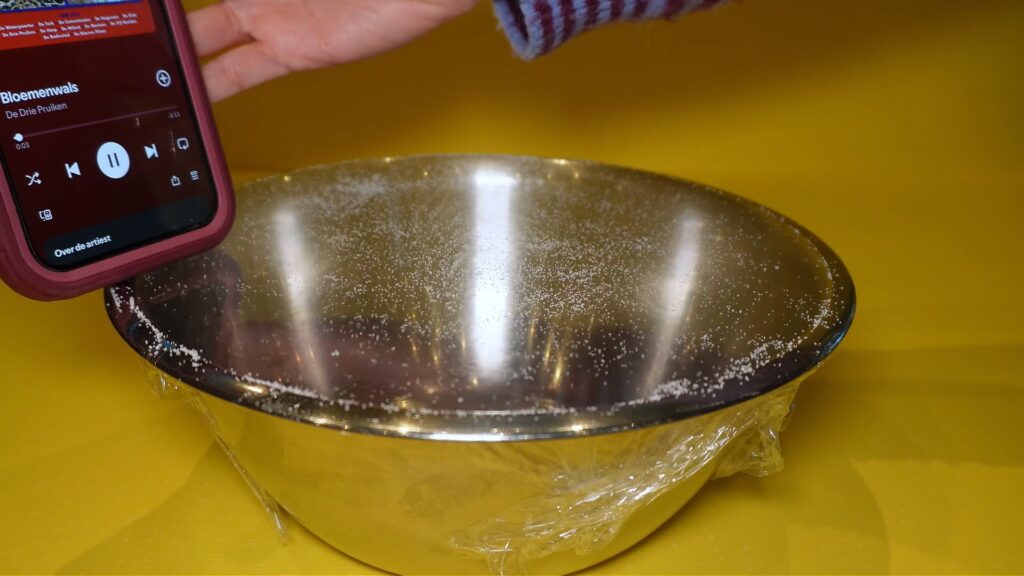
Sound consists of vibrations that travel through the air. Anything that makes a sound, such as your vocal cords or a loudspeaker, vibrates and causes the air around it to vibrate too. That vibrating air can then cause other things to move.
So the louder the music, the stronger the vibrations, and the wilder the salt dances. The foil acts as a sort of eardrum, just like in your ear! Loud sounds produce large vibrations, soft sounds small ones. This way, you can see with your eyes what you normally only hear.
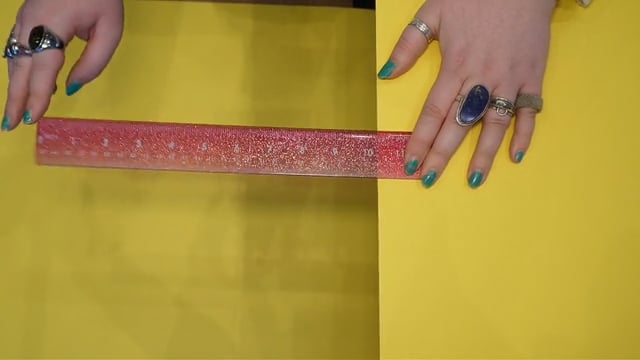
A playing comb, a guitar string, an organ pipe: they all work in the same way: the longer or larger they are, the lower the pitch. And you can try this out for yourself using just a ruler!
The frequency – the number of vibrations per second – determines the pitch. You can see this clearly in a music box. A music box uses a playing comb as its sound source: a row of metal teeth of varying lengths. Short teeth vibrate quickly and sound high-pitched, while long teeth vibrate slowly and sound low-pitched.
By making the teeth vibrate in the right order, a melody is created, just as your ruler changes length to produce different notes!
Collection Blogs
If you look inside the case of this instrument, you’ll soon realise that there’s something special going on here. The keys of this Porcelain Piano are connected to porcelain plates, which are tuned in such a way that they play a piece of music. It just goes to show that even plates can be a source of sound! Artist Jelle Mastenbroek has transformed two traditional pieces of furniture (a china cabinet and a piano) into a unique, new musical instrument.
The cabinet of the Porcelain Piano is an old porcelain cupboard which the artist has placed on top of a pianola. The sound is produced by solenoids striking tuned porcelain plates. A solenoid is a small electromagnetic device that uses a small coil to convert electromagnetic energy into mechanical movement. The artwork can be played manually using the piano keys, but it can also play music automatically thanks to an Arduino. In the museum, the Porcelain Piano automatically plays the song ‘Birds of a Feather’ by Billie Eilish.
The Porcelain Piano has been part of the museum’s collection since 2026. This is the first time a work by a contemporary artist has been included in the museum’s collection!
“One of the most beautiful objects on display here is the bird pendulum clock, a timepiece from that romantic era when people still took the time to look at the clock, listen to it and enjoy it.“ This is how an item from the Polygoonjournaal newsreel from 1958 describes the “Hummingbird Clock”. At that time, the clock was already a highlight of the newly opened Museum van Speeldoos tot Pierement, later renamed Museum Speelklok.
Since 1958, the clock has charmed visitors almost daily with its movements and sounds. The workings of the clock are not immediately visible or audible, nor is the history behind it. Who was it made for? What kind of person was the clock’s maker, Blaise Bontems, and what other pieces did he make? In this blog post, junior curator Axel Schering delves into the history behind the “Hummingbird Clock” and its maker to find answers to these questions.
Discover more
Museum Speelklok needs your help! In the Roblox game ‘Music Machine Monster’, you will embark on an exciting quest to restore harmony after a musical disaster. Inspired by the music machines of Museum Speelklok, players will collect artifacts, learn about sound programs, and confront a villain who was once a brilliant inventor.
In the Restoration Studio of Museum Speelklok, all collection items are maintained by our restorers. Due to the simplicity of parts and accessibility of mechanisms, they can be easily repaired. Thanks to them, the instruments play exactly as they did hundreds of years ago!
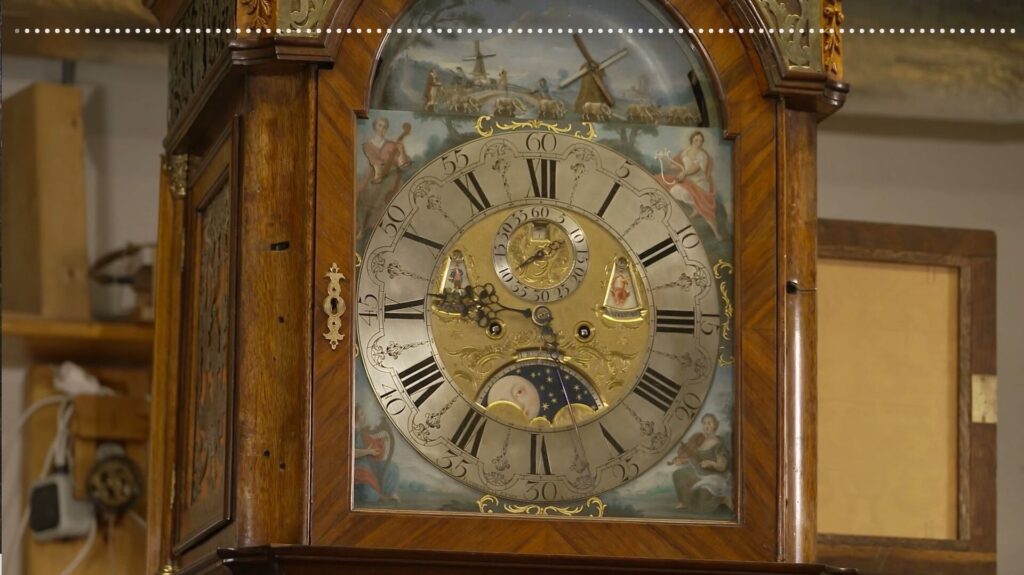
Behind every musical clock and organ in Museum Speelklok is a process that involves careful consideration of materials, costs, and mechanics. Nowadays, products are increasingly made with an eye to sustainability. The exhibition ‘Make it Work’ united the work of contemporary designers and historic instrument builders. Can looking to the past help us find ways to shape a more sustainable future?
A documentary about the creation of the Mini-Componium. While the rest of the Netherlands was in lockdown, the restorers of Museum Speelklok continued to work on a ‘self-composing’ musical instrument.
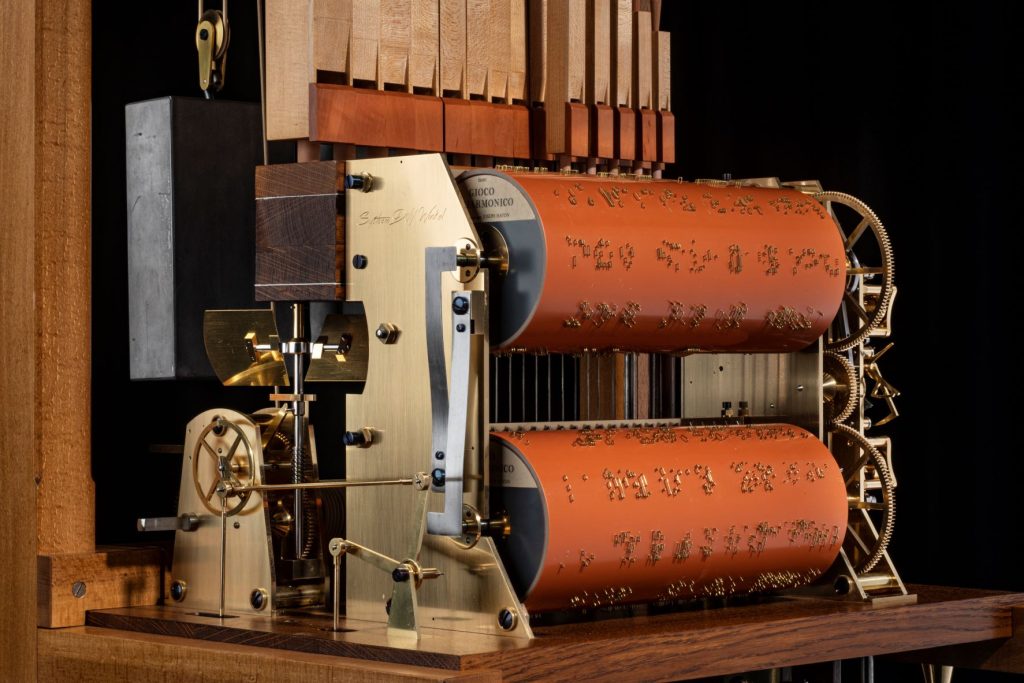
Visitors to the ‘Robots love Music’ exhibition discovered that the oldest and newest music robots have hearts as well as brains. Numerous music robots from around the world were displayed.