History
In 1954, a strong desire arose within the Kring van Draaiorgelvrienden and the Stichting Stadsontspanning Utrecht to establish a museum dedicated entirely to mechanical musical instruments.
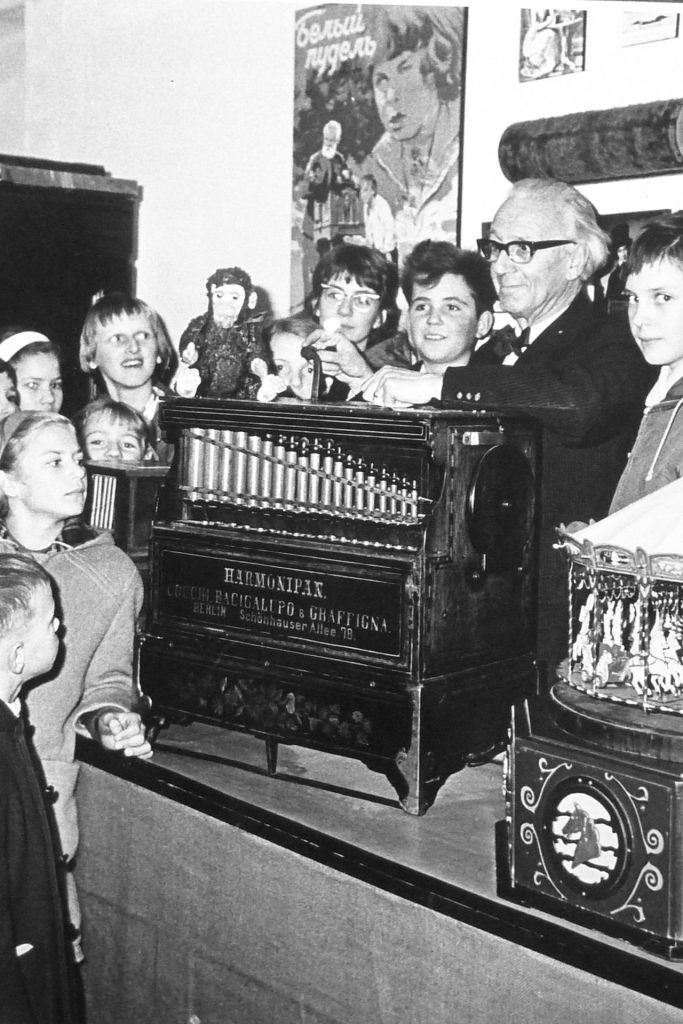
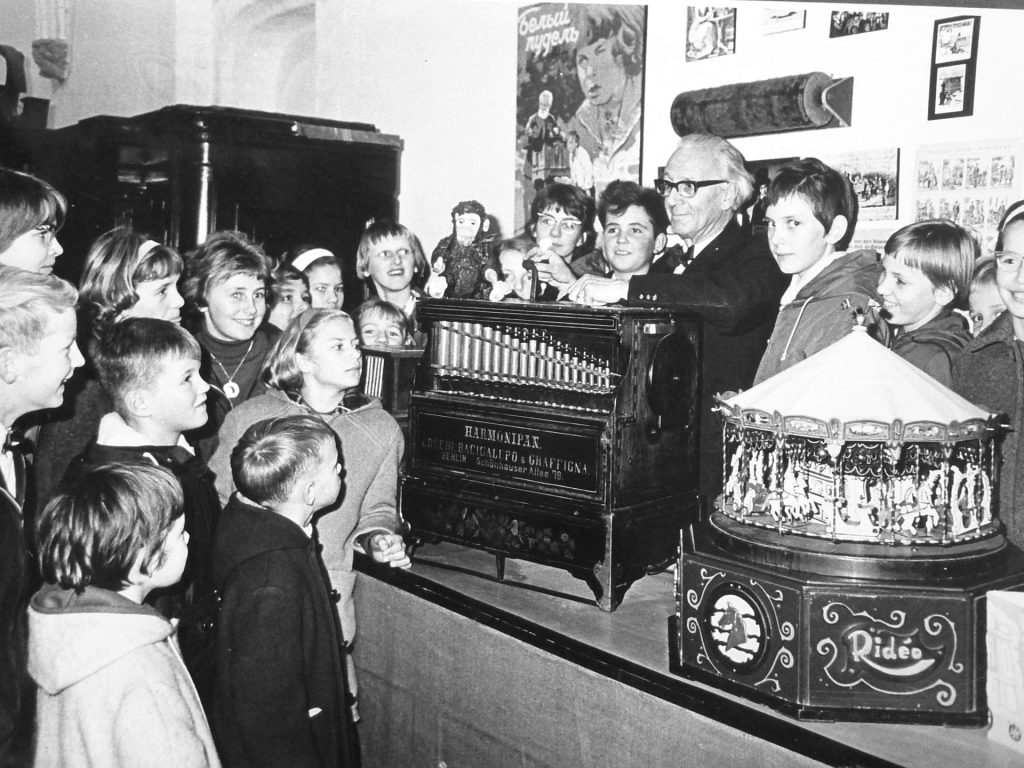
Before there would actually be a museum, the first goal was to set up an exhibition full of music machines. Consequently, a major search was launched for surviving and working examples of many different types of mechanical musical instruments.
From Musical Box to Barrel Organ
After two years of collecting, enough material had been gathered to stage a first exhibition. On 18 August 1956, From Musical Box to Barrel Organ opened to the public. This date is regarded as the official birth of what is now Museum Speelklok.
In just eight working days, more than 14,000 visitors from all parts of the country came to see the exhibition! Although the success was undeniable, this was not the final goal. The initiators still dreamed of a permanent museum devoted entirely to mechanical musical instruments.
A real museum
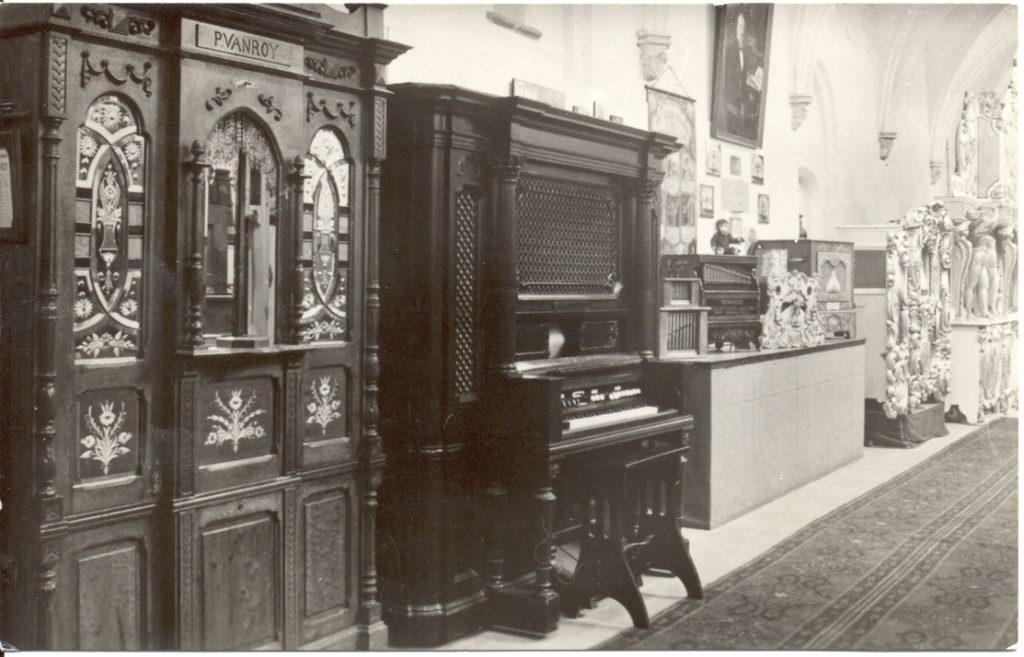
The exhibition also made a strong impression on the Utrecht city council, which decided to allocate 16,000 guilders to help establish a museum. Thus, the Nationaal Museum van Speeldoos tot Pierement was born! One of the museum’s initiators was Romke de Waard. He was a renowned arranger of barrel organ music and is known as one of the greatest barrel organ advocates in the Netherlands.
In 1958, the museum officially opened its doors to the public in a wing of what is now Museum Catharijneconvent, on Lange Nieuwstraat. The collection grew rapidly, and in 1971 the museum moved to a larger building: the former main post office of Utrecht at Achter den Dom 12. Over time, this location also proved too small.
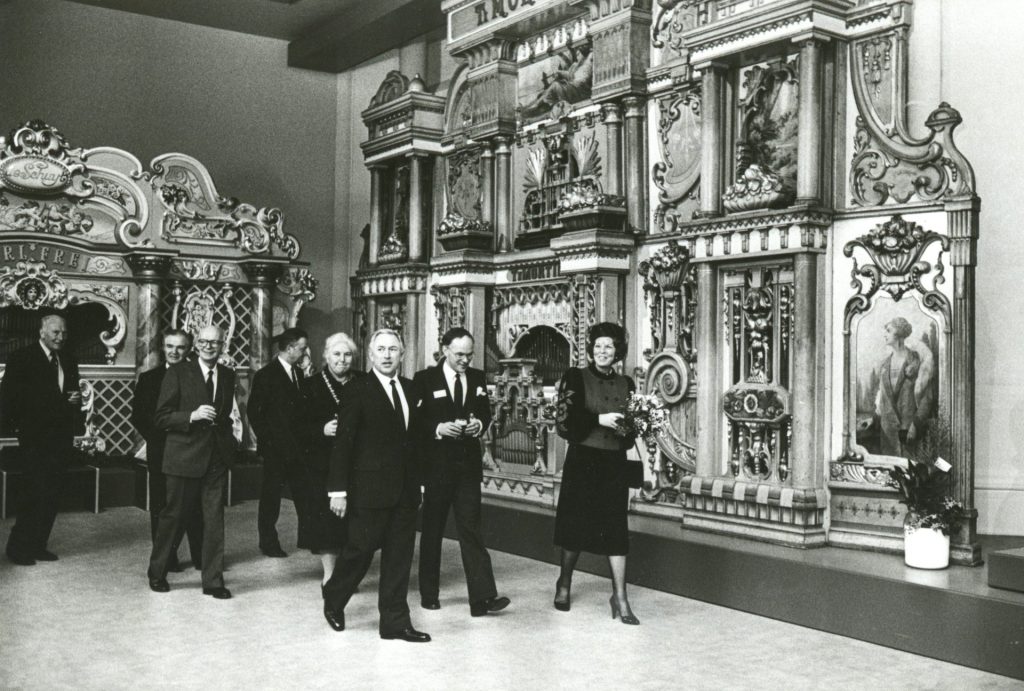
As a result, the museum relocated once more in 1984, this time to the fully restored medieval Buurkerk. On 23 November, the museum was officially opened in its new home by the then Queen Beatrix. And this is where Museum Speelklok, as it has been called since 2010, is still located today!
The Buurkerk
The Buurkerk dates back to around the year 1000 and originated from the growing need for a church for the city’s inhabitants. Many medieval churches in Utrecht were intended primarily for clergy. The city was divided into districts (dutch: ‘gebuurten’), and the church soon became affectionately known as the Buurkerk.
From the very beginning, the Buurkerk played a central role in Utrecht’s urban life. In addition to religious services, it functioned as the heart of a bustling commercial centre and served as a focal point during many significant events in the city’s history. For centuries, the church was a steadfast presence for the people of Utrecht.
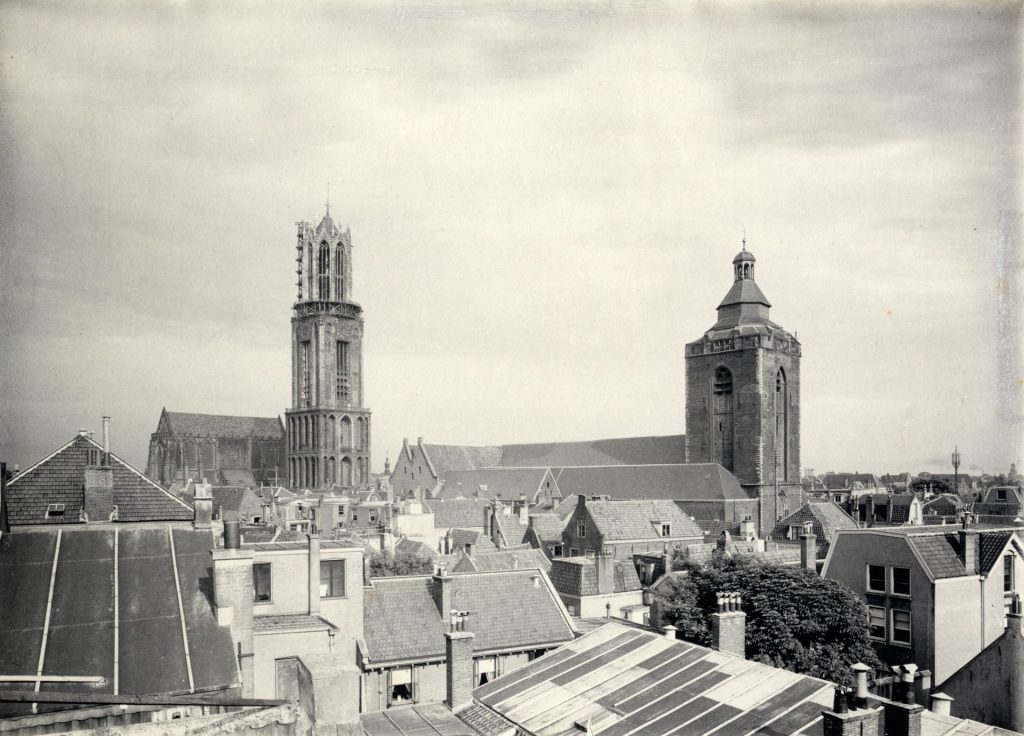
Over the centuries, the Buurkerk changed in appearance many times. It was rebuilt, expanded, reduced in size and restored. The church survived fires, storms and floods, endured bombardments and weathered the Reformation. During years of disaster and war, it even served practical purposes, functioning at various times as a grain store, hay loft, field bakery and stable. Well into the twentieth century, the Buurkerk continued to host commemorations and protests, until it was finally adapted for museum use in 1984.
The remarkable story of Suster Bertken
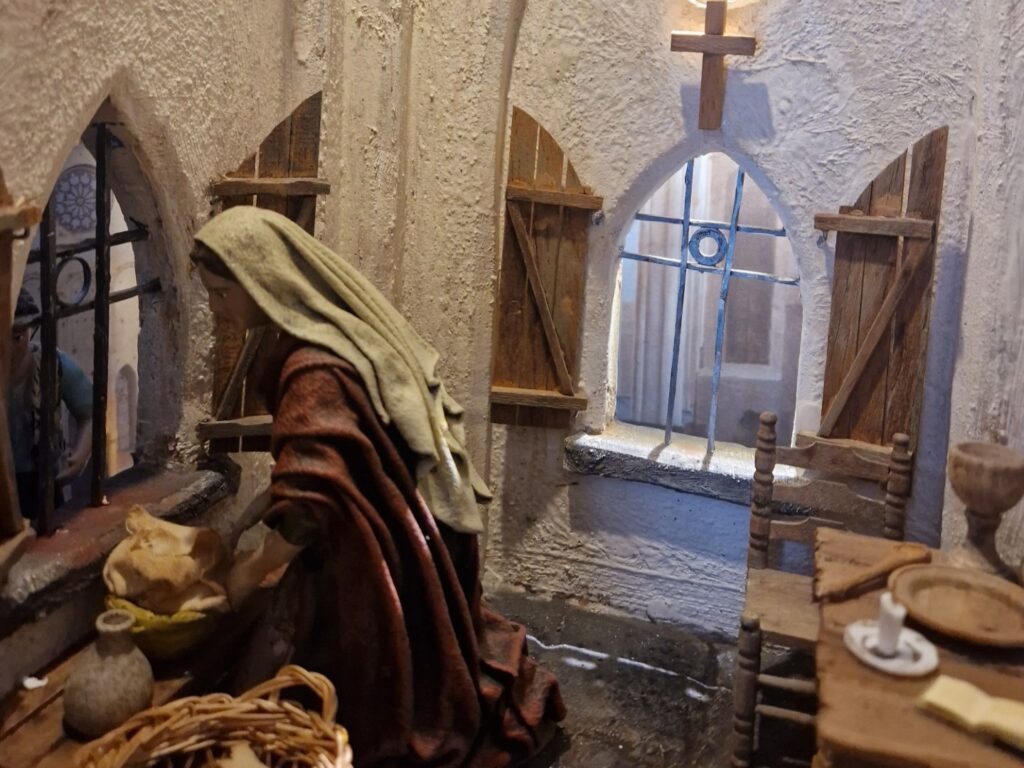
The Buurkerk is also closely associated with the extraordinary story of Suster Bertken. In 1457, she chose to be enclosed within the church, dedicating the rest of her life to God in complete seclusion. She lived a modest existence in a cell measuring less than four by four metres. From her small enclosure, she was able to follow the mass, and through an opening to the outside world she spoke with visitors and passers-by. Suster Bertken died in 1514, at the age of 87, after spending 57 years living as a recluse. A commemorative stone in her honour can be found on Choorstraat.