Asha Mohamed receives the first Dr J.J.L. Haspels Prize
Asha Mohamed is the first recipient of the Dr J.J.L. Haspels Prize.

From this year onwards, the Friends of Museum Speelklok Foundation will award this new prize every three years to a researcher committed to academic research into mechanical music and the Museum Speelklok collection.
The Dr J.J.L. Haspels Prize will be presented on 9 October, following a nomination by the museum’s board, during the celebrations marking the 70th anniversary of Museum Speelklok. The prize is named after Dr Jan Jaap Haspels (1940–2016), director and curator of Museum Speelklok from 1970 to 2006. The prize comprises an award, a special music box created by Robin Wood, and an amount of 7,500 euros.
Recognition for academic research
Sanne Dijkgraaf, chair of the board of the Friends Foundation, on the new prize: “Through the Dr J.J.L. Haspels Prize, the Friends of Museum Speelklok Foundation aims to encourage academic research into mechanical music and the Museum Speelklok collection. Such research may focus on a specific item in the collection, a restoration, a maker or musical repertoire, or on a broader socio-historical theme. We are convinced that we are honouring Mr Haspels by using the fund in this way and by providing a springboard for academic talent. We are delighted to be able to present this very first Haspels Prize to Asha.”
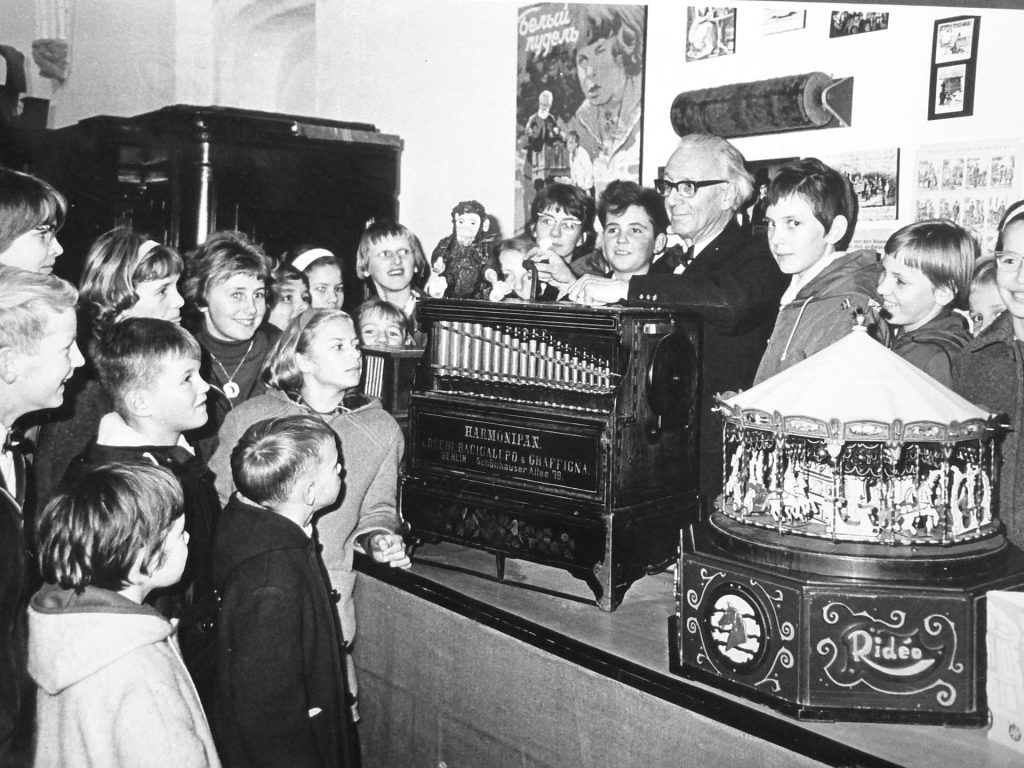
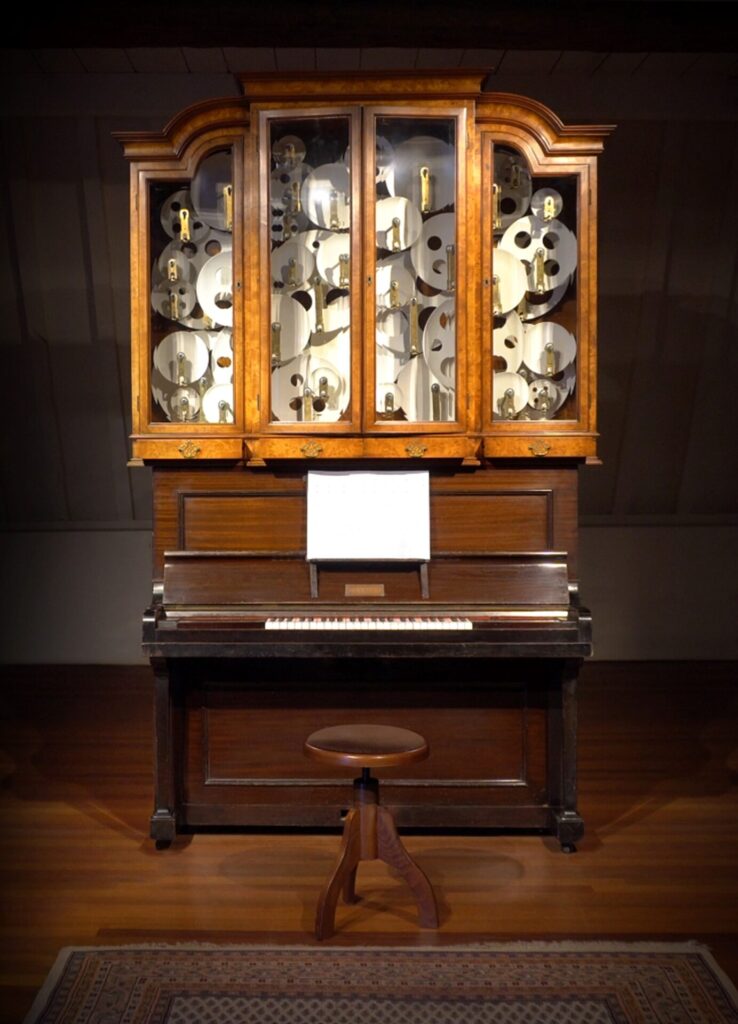
Dr Jan Jaap Haspels was the first person to obtain a PhD in the history of mechanical music in 1986 with his research entitled ‘Automatic playing instruments, their mechanics and their music, 1580–1820’. In addition to the many exhibitions he organised at the museum, he himself, together with Ian Hammond and colleagues, built replicas that can still be seen in the museum today.
Asha Mohamed’s innovative research honoured
During her internship at Museum Speelklok in 2025, Asha Mohamed carried out academic research into the colonial context of self-playing mechanical musical instruments in the museum’s collection. This was part of her Master’s degree in Cultural History and Heritage at Utrecht University. She currently works as an information manager at the Barneveld Municipal Archives.
From the citation: “In her research, Asha places objects from a colonial era within a broad historical and social context. In doing so, she combines an academic approach with a clear and accessible writing style. Through her chosen medium – a magazine – she makes complex subject matter accessible to a wide audience.”

Focusing on non-Western musical instruments
In her research, Asha Mohamed also focuses on working replicas based on inventions by scientists from the Islamic Golden Age. This period remains under-represented at present, as the museum’s collection consists mainly of musical instruments dating from the 16th century onwards. The replicas are being built for a new exhibition at Museum Speelklok in 2027. Thanks to this new exhibition and Asha’s research, inventions from this period can be brought to life in the museum on a permanent basis.
Marian van Dijk, director of Museum Speelklok, on the award:
“In her Master’s thesis, Asha showed the courage to tackle a difficult subject head-on and explore it in depth from a scholarly perspective. She does not pass judgement, but provides people with an insight into history and connects with a wide audience. The prize is an encouragement: please continue to dedicate yourself to this remarkable heritage!”